Wedding Ceremony Script Order
Build a wedding ceremony script in order, including the processional, welcome, intent, vows, rings, pronouncement, and recessional.
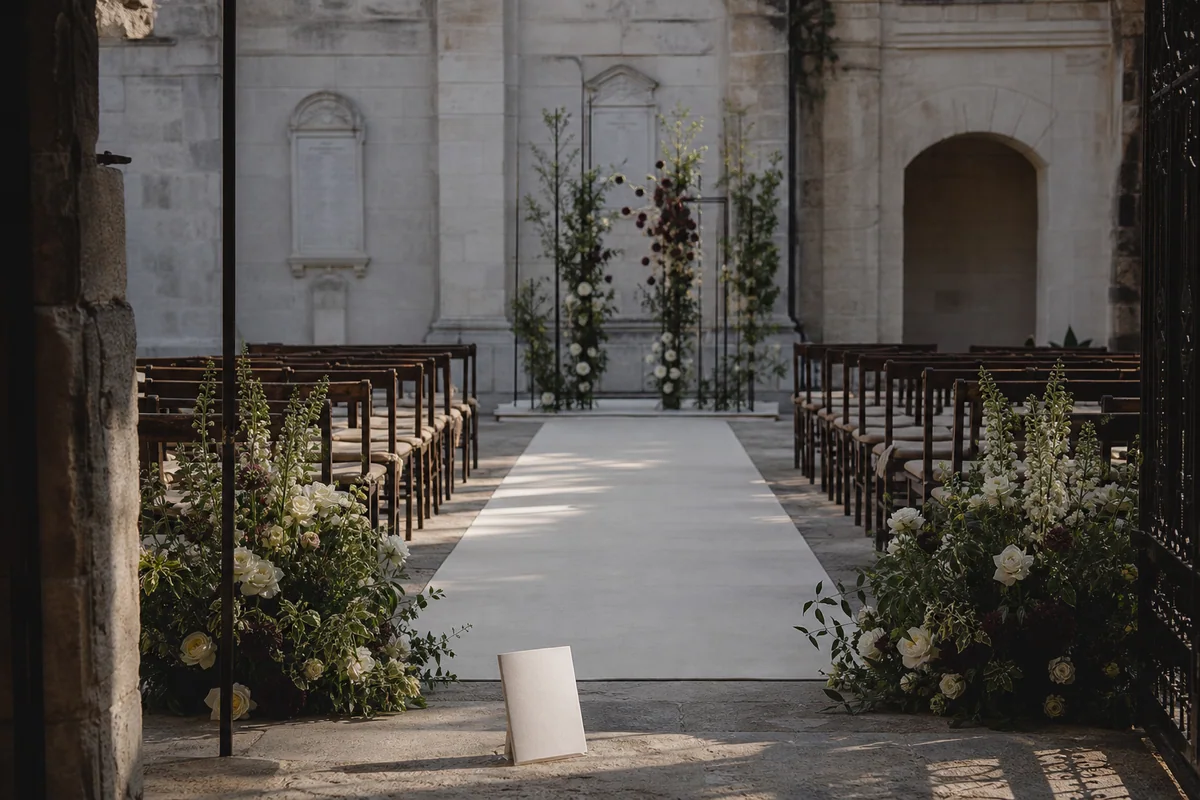
Wedding ceremony script order at a glance
Why a wedding ceremony script starts with sequence
A wedding ceremony script becomes easier to write when the physical order is settled first. Map who enters, who speaks, where readings or rituals occur, when legal declarations happen, and how the couple and wedding party leave. Then write the transitions that connect those actions. This approach prevents polished paragraphs from hiding missing cues, duplicated ideas, or an impossible microphone handoff. Use the order below as a production map and adapt optional sections to the couple’s traditions, venue, and timing.
A typical wedding ceremony moves from the processional to a welcome, remarks about marriage or the couple, readings or rituals, the declaration of intent, vows, rings, pronouncement, and recessional. The exact order is flexible except for any legal elements required where the marriage takes place.
Use the sequence below as a planning map, not a rulebook. The wedding ceremony script guide connects this order to wording examples and officiant preparation. Once the order is settled, the Wedding Ceremony Script Generator can turn your choices into an editable, timed script.
Before the processional
The ceremony begins operationally before anyone walks down the aisle. The officiant or coordinator should confirm:
- the marriage license and any required witnesses are present;
- rings are with the correct person;
- readers know where to sit and stand;
- microphones are on and positioned;
- the wedding party is lined up in the final order;
- guests know whether phones and photography are welcome;
- the officiant has the final script and pronunciation notes.
If an unplugged-ceremony announcement is planned, make it just before the processional. Keep it warm and direct: invite guests to be present, explain when photos will be welcome, and avoid scolding language.
1. Processional
The processional is the entrance of the officiant, wedding party, couple, and any family members included in the ceremony. Common patterns include one partner waiting at the front while the other enters, both partners entering separately, or the couple entering together.
Write movement into the ceremony document even though it is not spoken. Identify the music cue, entrance order, where each person stands, and who carries rings or flowers. If children or pets are involved, assign an adult who can redirect them without interrupting the ceremony.
2. Opening and welcome
The officiant asks guests to settle, welcomes everyone, and names the purpose of the gathering. A useful welcome answers three questions quickly: why everyone is here, what the couple is choosing, and how the guests are connected to that choice.
Example:
Welcome. We are gathered to witness and celebrate the marriage of Avery and Morgan. Each person here has helped shape their lives, and your presence makes this promise a public, supported beginning.
The officiant may then invite guests to sit. Mark that instruction in the script so people are not left standing.
3. Acknowledgments
Optional acknowledgments can recognize absent loved ones, the land or community, parents, children, or the people who helped the couple reach the day. Keep this section proportionate. A long list of names can interrupt the opening rhythm and creates a risk of an accidental omission.
For a remembrance, agree on language with the person closest to the loss. A quiet sentence, reserved seat, photograph, or program note may be more appropriate than a detailed public tribute.
4. Officiant remarks or couple story
This section gives the ceremony its point of view. It may discuss marriage, tell a compact story about the couple, or connect their relationship to shared values. A friend officiant should choose two or three moments that illustrate the partnership rather than narrating the entire dating history.
Keep private conflict, former relationships, and stories that embarrass either partner out of the script. The guide to a friend-officiant wedding script includes an interview and rehearsal process.
5. Reading, music, or unity ritual
Readings and rituals belong where they deepen the ceremony rather than simply add length. One reading is often enough for a short ceremony. Introduce the reader by name, include the full text in the master script, and mark how the reader reaches the microphone.
A unity ritual—such as lighting candles, sharing a cup, tying a cord, or blending materials—needs stage directions and a transition explaining its meaning. Rehearse the physical action. Outdoor candles, tiny containers, and complicated knots often behave differently in practice than they do in a planning photo.
6. Declaration of intent
The declaration of intent is the clear statement that each person chooses to enter the marriage. It often uses an “I do” or “I will” response. This is different from personal vows: intent establishes consent; vows describe promises.
Because legal requirements vary, the officiant must confirm the necessary wording and credentials with the relevant local authority. A website template cannot determine whether a ceremony is legally sufficient in a particular jurisdiction.
7. Personal or traditional vows
The officiant introduces the vows and explains whether they were written personally or will be repeated. Decide who speaks first, where vow books are kept, and whether the microphone needs to move.
If the couple is nervous, the officiant can prompt one line at a time. If they wrote their own vows, a backup copy should be in the officiant's folder.
8. Ring exchange
The officiant asks for the rings, then each partner places a ring while speaking a short phrase. The ring words may echo the vows without repeating them.
Example:
I give you this ring as a sign of my love and the promises I make today.
Mark exactly when each ring is handed over. Small pauses feel much longer when the ring holder does not know they have been cued.
9. Pronouncement and kiss
After confirming that the required declarations and vows are complete, the officiant pronounces the couple married. The wording should match the couple's names and preferred terms.
The officiant should step aside before inviting the kiss so the ceremony photographs frame the couple cleanly. Decide whether the invitation is “You may kiss,” “You may celebrate with a kiss,” or no spoken prompt at all.
10. Presentation and recessional
The officiant presents the newly married couple using their preferred names, then cues the recessional music. The couple exits first, followed by the wedding party in a rehearsed order.
If guests need instructions about cocktail hour, transportation, a group photograph, or the reception, the officiant can give them before the final presentation or after the couple has exited. Avoid placing logistics between the pronouncement and the kiss.
Sample 20-minute ceremony timeline
- Processional: 3 minutes
- Welcome and acknowledgments: 2 minutes
- Officiant remarks: 4 minutes
- Reading: 2 minutes
- Declaration of intent: 1 minute
- Vows: 4 minutes
- Rings: 2 minutes
- Pronouncement and recessional: 2 minutes
This is only a planning baseline. The simple officiant ceremony script shows how the sections sound together, while the non-religious ceremony script offers secular transitions and readings.
Final order review
Read the ceremony from two perspectives. First, listen as a guest: does each transition explain what is happening and why? Second, follow it as a stage manager: does every entrance, object, microphone, reader, and music cue have an owner?
Common order variations
Religious services may place vows and rings inside a larger liturgy with prayers, blessings, music, or communion. Work from the authorized order supplied by the faith leader rather than moving sacred elements to match a generic timeline.
In a ceremony with two traditions, avoid alternating symbols without explaining them. Ask knowledgeable family or community members which elements can be combined, who should lead them, and what order preserves their meaning. A short transition helps guests follow without turning the officiant into a lecturer.
For an elopement, the processional may become a shared walk and the presentation may be unnecessary. The legal intent, vows, rings, and pronouncement can remain within a five- or ten-minute structure. For a ceremony with children, place family promises after the couple's intent or rings so children are welcomed into an existing adult commitment and are not asked to authorize the marriage.
Some couples exchange private vows before the public ceremony. In that case, the ceremony can use short repeated vows so guests still witness an explicit promise. Tell the photographer and coordinator which exchange is private and which is part of the legal ceremony.
Whatever variation you choose, publish one final order. The program, officiant copy, music cue sheet, and coordinator timeline should use the same section names so a late change does not create four different versions of the ceremony.
When both the language and movement are clear, the ceremony can feel relaxed even though it has been carefully planned.