Wedding gratitude writing center
Wedding Thank You Cards
Write specific wedding thank you cards for gifts, attendance, family, wedding parties, and vendors, with a practical sending timeline and review workflow.
Quick answer
A strong wedding thank-you card is brief, specific, and written for one recipient. Name the gift, help, travel, attendance, or professional contribution; explain why it mattered or how it will be used; add one relationship detail; and close warmly. Keep a private tracking list so every contribution is acknowledged once. Batch tools can organize the work, but each message should contain recipient-specific facts and receive a human review before it is printed or sent.
Reviewed by Vows on Wedding Editorial Team · Updated
A memorable wedding thank-you card is short, specific, and recognizably written for one recipient. It names the gift or contribution, explains why it mattered, and closes with a warm relationship detail. The challenge is preserving that specificity when the couple has dozens or hundreds of notes to send.
These guides cover both the words and the workflow: what to say for different gifts, when to send each note, how to thank attendance without implying a gift, and how to use a spreadsheet or generator without producing identical messages.
Plan wedding thank you cards before the wedding
Create one wedding thank you cards source of truth
Use one private tracker for recipient names, household grouping, mailing address, gift or contribution, event, date received, personal detail, writer, draft status, and sent date. Decide who can edit it and where gift information will be captured during showers, deliveries, and the wedding weekend. A single source prevents duplicate notes, missing gifts, and the stressful merge of several partial lists after the celebration.
Write names exactly as recipients use them and separate households when different people gave different gifts or contributions. Record uncertainty rather than guessing. If a card becomes separated from a gift, add a verification flag and ask a family member or registry service to help reconcile it. Wedding thank you cards create a permanent social record, so a careful pause is better than confidently thanking someone for the wrong item.
Choose stationery and production roles early
Order enough cards and envelopes for gifts, hosts, attendants, readers, helpers, and a small error margin. Test the paper with the pens you plan to use and confirm that addresses remain readable after drying. If partners will divide the writing, agree on shared standards for length, tone, sign-off, and how both names appear. The notes can have individual voices while still feeling equally attentive.
Assign work by relationship rather than splitting the alphabet blindly. Each partner usually has richer details for their own relatives, friends, and colleagues. Shared relationships can be divided by comfort and workload. Schedule short sessions before and after the wedding instead of imagining one exhausting weekend. Consistent twenty-minute blocks protect handwriting quality and make it easier to remember a personal sentence for each recipient.
Capture details while they are fresh
Add a short memory to the tracker: the conversation at the reception, the distance traveled, help with setup, a reading, a dance, or advice the recipient offered. These details distinguish one message from another even when several people selected the same registry item. For vendors or helpers, record the specific action that reduced stress or improved the day. A precise contribution is easier to thank than a vague category.
Privacy matters when a spreadsheet contains addresses, relationships, and gift values. Limit access, avoid public links, and remove unnecessary financial details after reconciliation. If an AI tool is used to draft wedding thank you cards, provide only the facts needed for the message and review the service’s data practices. Never upload payment information, private family notes, or a complete guest database when a smaller input will work.
Write wedding thank you cards that feel specific
Use a five-part message structure
A reliable note includes a greeting, specific thanks, meaning or intended use, a relationship detail, and a warm close. Not every sentence must be long. “Thank you for the blue serving bowl” identifies the gift; “we used it at our first dinner with friends” gives it a future. The relationship line can mention the celebration, a conversation, ongoing support, or anticipation of seeing the person again.
Vary sentence openings and emotional emphasis rather than searching for endless synonyms for “thank you.” One note can begin with the joy of seeing the recipient, another with the usefulness of the gift, and another with a meaningful contribution. The structure remains stable while the center changes. This makes wedding thank you cards efficient to produce without making the people receiving them feel processed.
Match wording to gift and relationship
For a physical gift, name it and describe a realistic use. For cash or a fund contribution, thank the generosity and mention the shared goal without repeating the amount. For a handmade or heirloom gift, acknowledge the time, history, or trust it carries. For someone who could not attend, separate appreciation for the gift from any pressure about absence. A note should never imply that attendance or a present was owed.
Hosts, attendants, readers, family helpers, and close friends may deserve a note centered on labor or emotional care rather than an object. Vendors can receive a concise message naming what they did well. If no gift was given, write only when there is a genuine contribution or relationship reason to thank the person; celebrate their presence, travel, help, or support without mentioning the missing gift.
Edit batches without erasing personality
Draft by message type in small groups, then compare adjacent notes. Replace repeated middle sentences with recipient-specific facts. Check names, pronouns, gift descriptions, attendance, household grouping, and sign-off. Read any emotionally important note aloud. A batch tool can create a useful first pass, but a human must catch invented details, overstatement, and wording that does not match the relationship.
Use templates as prompts, not final messages. Keep placeholders visibly marked until every field is filled, and never print or send directly from a generated batch. The final review should happen against the source tracker, not memory. This simple control prevents the most damaging errors: the wrong gift, the wrong person, a false attendance claim, or two guests receiving nearly identical messages.
Send wedding thank you cards with a calm workflow
Send early gifts before the wedding when possible
A prompt note confirms that a delivered gift arrived safely and reduces the post-wedding backlog. Shower gifts, engagement gifts, and items shipped months ahead do not need to wait for the ceremony. Add the sent date to the tracker so the same household is not thanked twice for one item or missed when another gift arrives later. If a second gift is received, send a separate, specific note.
Use a practical post-wedding schedule
Begin with a reconciliation session, then set a weekly number that fits real life. Prioritize hosts, attendants, travelers, older relatives, and gifts received earliest, but do not delay a clear note while waiting to solve one uncertain entry. Many etiquette sources offer broad timelines; the useful rule is simpler: send sincere wedding thank you cards as soon as you can verify the details, and continue steadily until the tracker is complete.
Recover gracefully when notes are late
Do not abandon a late note or fill it with a long apology. Begin with direct thanks, include the specific gift or contribution, and add one brief acknowledgment if the delay has been substantial. The recipient gains more from a warm, accurate message now than from silence. Avoid excuses that make them manage your guilt. Finish the note, record the date, and return to the remaining list.
Choose the guide that solves the next bottleneck
Use the wording-by-gift guide when facts are known but sentences feel repetitive. Use the timeline guide to prioritize early, wedding-day, vendor, and overdue notes. Use the no-gift guide when you want to thank presence or help without creating an expectation. Use the batching guide when volume, division of work, or quality control is the problem. Each resource links back to the generator for an editable draft based on recipient-specific details.
Sources and editorial references
These references support specific conventions or jurisdiction examples. They do not replace advice from the authority responsible for your ceremony or circumstances.
- Emily Post: Wedding Thank Yous
A named etiquette reference for prompt, personal acknowledgment of wedding gifts; couples can adapt the medium and timing to their circumstances.
Four focused guides
wedding thank you cards questions, answered in depth
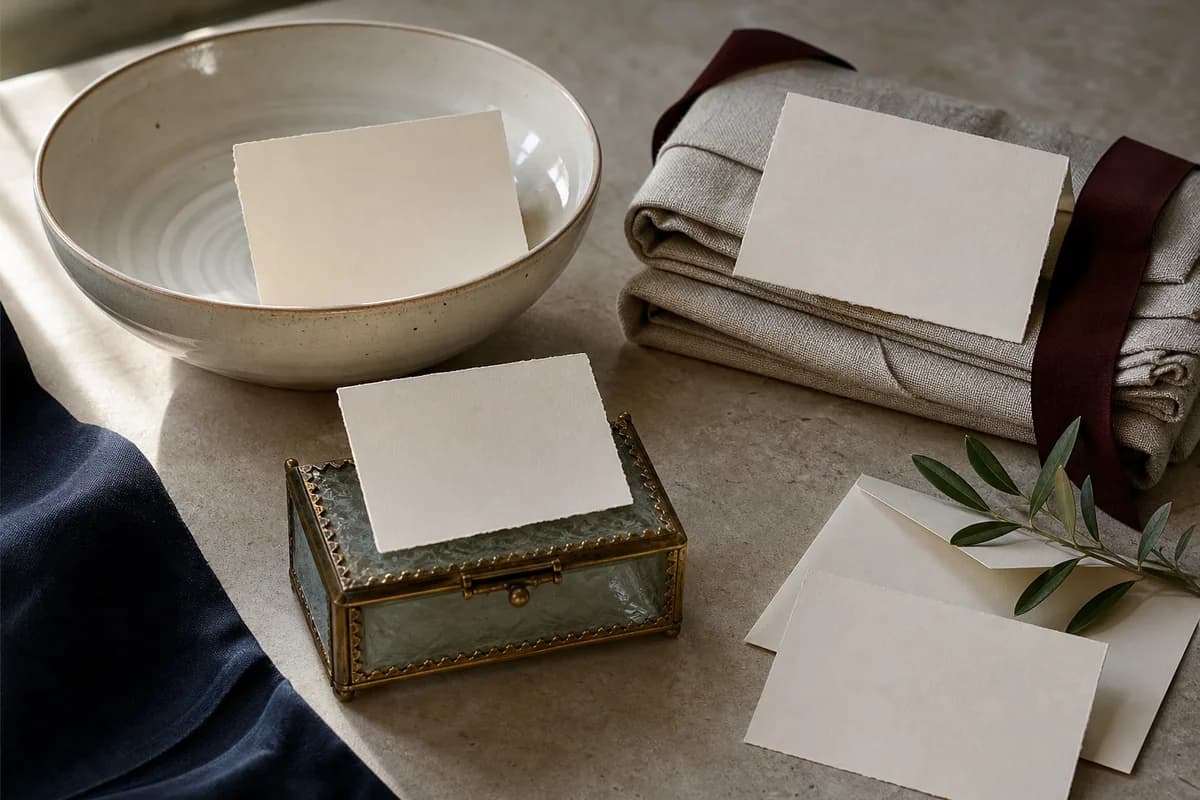
Wedding Thank-You Card Wording by Gift
Find adaptable wedding thank you cards wording for registry gifts, cash, honeymoon funds, handmade gifts, group gifts, and guests who could not attend.
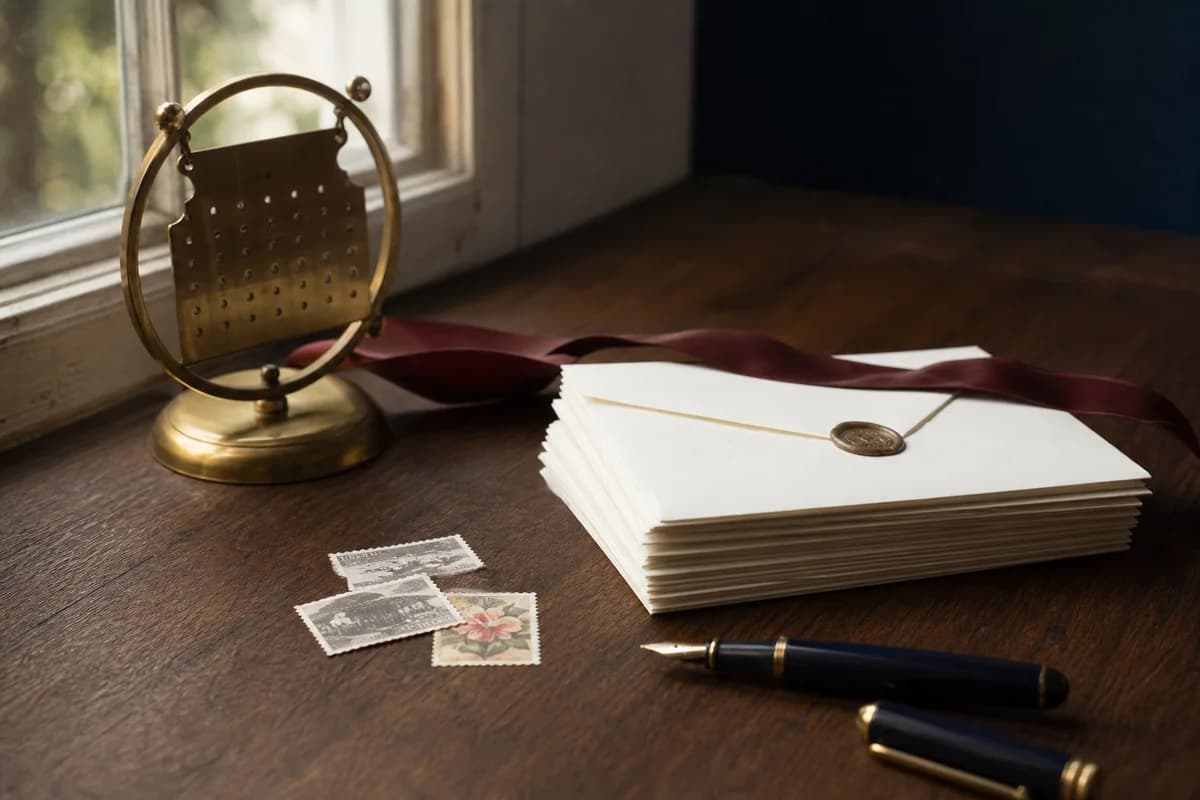
When to Send Wedding Thank-You Cards
Use a practical wedding thank you cards timeline for early gifts, shower gifts, wedding gifts, late gifts, vendors, and overdue notes.

Thank You Notes Without a Gift
Write wedding thank you cards for guests who attended, traveled, helped, or celebrated without implying that a wedding gift was expected.
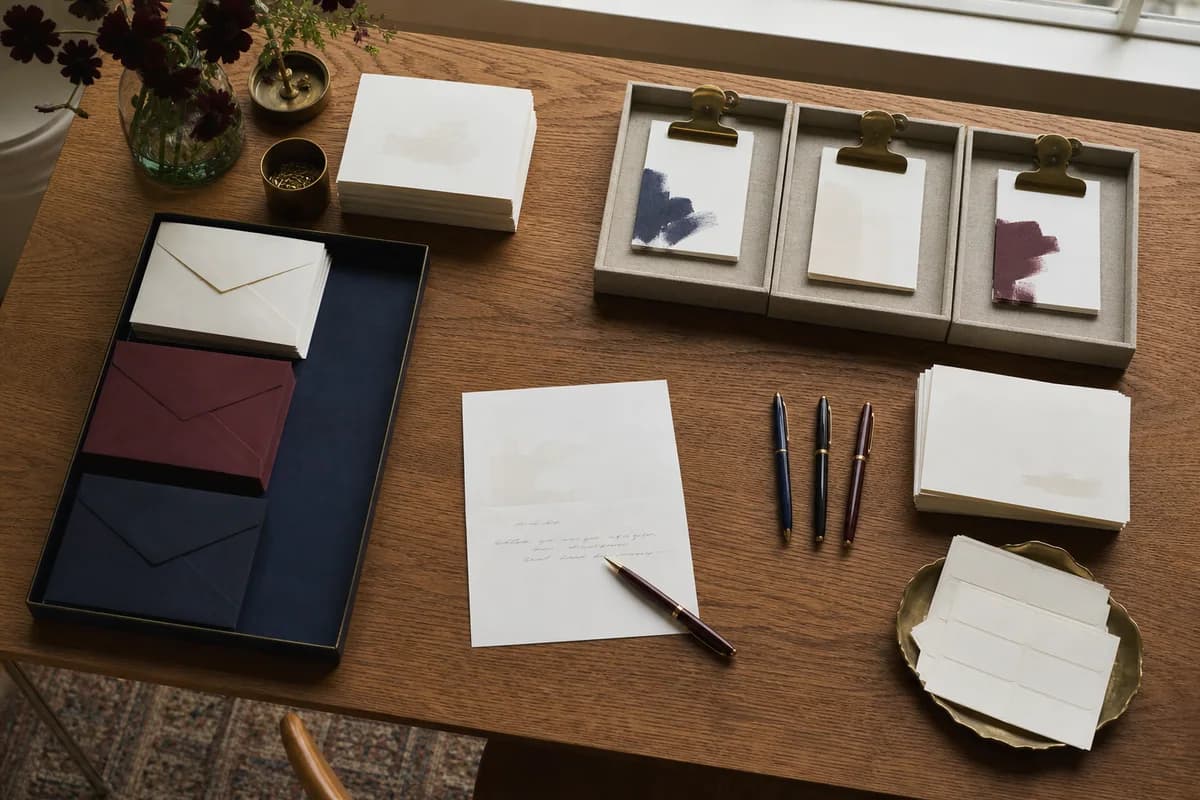
Write Thank You Cards in Batches
Organize details and write wedding thank you cards in manageable batches while keeping every note personal with a review-safe workflow.
wedding thank you cards frequently asked questions
Who should receive a wedding thank-you card?
Send one to gift givers and to people who made a meaningful contribution, such as hosts, attendants, readers, helpers, and vendors you want to thank personally.
How long should a wedding thank-you note be?
Three to five focused sentences are usually enough: greeting, specific thanks, meaning or intended use, relationship detail, and a warm closing.
Can wedding thank-you cards be created in a batch?
Yes, if each row includes recipient-specific facts and every generated note is reviewed before sending. Batch organization should reduce repetition, not erase personal details.